4 Min Read
Planning a home addition in San Francisco is not a typical remodel. Space constraints, detailed permitting requirements, and the architectural character of many homes demand a thoughtful, highly coordinated approach.
Many homeowners choose to expand rather than move. The neighborhoods, views, and long-term investment in their property make staying the better decision. A well-executed addition allows you to adapt your home without giving up what already works.
A project of this scale is a multi-year investment. With the right team and a clearly defined process, it becomes a structured, well-managed experience grounded in clarity, partnership, and confidence.
In This Guide:
- Why Consider a Home Addition in San Francisco?
- Common Types of Home Additions
- Design Considerations in San Francisco Homes
- Assembling the Right Team
- Investment Expectations
- Navigating Permitting in San Francisco
- Pre-Construction Planning
- Minimizing Client Burden
- Managing the Unexpected
- Designing for Long-Term Value
- Frequently Asked Questions
- Start Planning Your Home Addition
Why Consider a Home Addition in San Francisco
Before beginning, it’s important to define your intent. Clear priorities guide better decisions throughout the process.
Homeowners typically pursue additions for a combination of reasons:
- Improving daily living — more space for family, work, and entertaining
- Maximizing an existing property — expanding instead of entering a competitive market
- Protecting long-term value — investing further in a well-located home
- Maintaining location advantages — staying connected to community and amenities
A thoughtful addition is not just about adding space. It’s about improving how your home supports your life.
Common Types of Home Additions in San Francisco
In San Francisco, additions are shaped by site limitations and zoning constraints. The most effective solutions respond directly to those conditions.
Common approaches include:
- Second-story additions
A strategic way to gain square footage when expanding outward isn’t feasible - Accessory Dwelling Units (ADUs)
Flexible spaces for guests, extended family, or work-from-home needs - Primary suite expansions
Creating separation, comfort, and a more functional layout within the home
Each approach requires careful coordination to ensure the addition feels fully integrated, not appended.
Design Considerations in San Francisco Homes
Design decisions should support both immediate use and long-term value. In practice, that often means balancing openness with structure, and aesthetics with performance.
Key considerations include:
- Natural light and spatial flow
Larger openings and thoughtful layouts improve how the home lives day to day - Material selection
Durable, high-quality materials contribute to longevity and cohesion - Integrated technology
Lighting, climate, and security systems should feel intuitive and unobtrusive - Architectural consistency
The addition should align with the existing home, or intentionally contrast in a controlled, thoughtful way
Strong design is less about trends and more about making decisions that will continue to feel appropriate over time.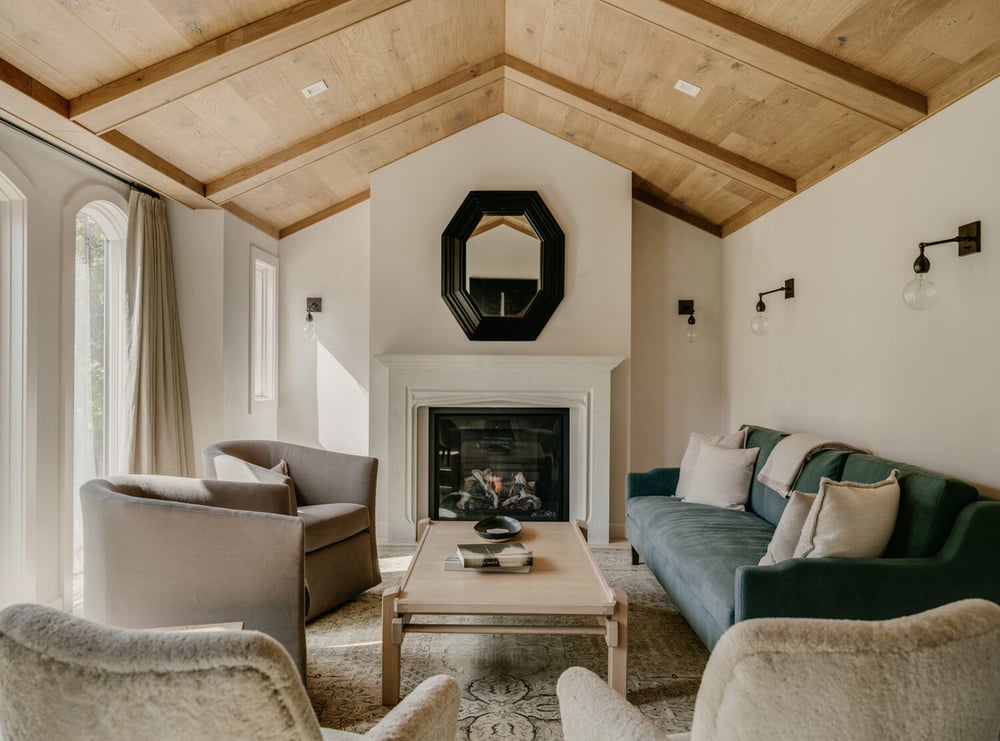
Assembling the Right Team Early
The outcome of your project is directly tied to the strength of your team.
Most homeowners engage an architect first, then bring in a builder to collaborate throughout the process. Early alignment between these roles creates efficiency and clarity from the start.
The right builder does more than execute plans. They serve as an advocate by:
- Helping you evaluate trade-offs
- Aligning communication across the team
- Guiding decisions with your priorities in mind
This partnership reduces friction and creates a more predictable experience.
Home Addition Investment Expectations
Home additions in San Francisco typically begin around $1,200 per square foot. Final costs vary based on several key factors.
These include:
- Design and structural requirements
Integration with the existing home often drives complexity - Site constraints
Access limitations and tight lots can impact logistics and cost - Permitting requirements
Local regulations add both time and coordination - Material and finish selections
Higher-quality materials offer better long-term performance
A strong team will provide clarity throughout, helping you understand where your investment is going and how each decision contributes to the outcome.
Navigating the San Francisco Permitting Process
Permitting is one of the most time-intensive phases of a San Francisco project.
The process involves multiple agencies, detailed reviews, and often revisions. Timelines can vary significantly depending on the property and scope.
What helps:
- Working with a team experienced in local approvals
- Preparing complete, well-coordinated documentation
- Setting realistic expectations early
While permitting requires patience, it should not feel uncertain when properly managed.
Pre-Construction Planning: Where Success is Built
Pre-construction is the most important phase of your project. It establishes the foundation for everything that follows.
This phase focuses on:
- Aligning on budget, scope, and expectations
- Identifying risks before construction begins
- Making informed decisions that balance design and investment
Value is created through clarity, not by minimizing cost, but by making thoughtful and well-informed choices.
Minimizing Client Burden During Construction
A major remodel should not require constant day-to-day involvement.
The role of the builder is to create structure and clarity so you can stay informed without being overwhelmed.
This is achieved through:
- Consistent, proactive communication
- Clear scheduling and expectations
- Organized decision-making processes
The goal is a well-managed experience that respects your time.
Managing the Unexpected
Even with strong planning, every project presents variables. The difference lies in how they are handled.
An experienced team will:
- Communicate changes clearly and early
- Present options with defined implications
- Help you make decisions with confidence
This is where true advocacy matters, ensuring each adjustment still aligns with your goals.
Designing for Long-Term Value
A well-executed addition should perform over time, both in daily use and in long-term value.
Consider:
- Balancing personal priorities with resale appeal
- Selecting materials that offer durability and longevity
- Working with professionals familiar with neighborhoods like Pacific Heights, Sea Cliff, and others
The goal is a result that feels as appropriate years from now as it does today.
Frequently Asked Questions
What defines a bespoke home addition?
A bespoke addition reflects alignment between design, construction, and the homeowner’s priorities.
This typically includes:
- High-quality, enduring materials
- Design tailored to how you live
- Seamless integration with the existing structure
- Refined detailing and craftsmanship
- Thoughtful, integrated systems
How do I know if I’m ready for a home addition?
-
You are likely ready when:
- You have established a realistic investment range
- You are prepared to engage an architect
- You have flexibility in your timeline
- You value a collaborative partnership with your team
How long does a home addition take in San Francisco?
Timelines should be approached with clarity and realistic expectations:
- Pre-construction and planning: 4 to 12 months
- Construction: 8 to 16 months
Please note that the pre-construction phase may be significantly compressed if you already have your design professional(s) on board and a complete set of plans and specifications. In some cases, this phase can move much more quickly when the full team is aligned early.
Can I live in my home during construction?
This depends on the scope and location of the work.
In some cases, partial occupancy is possible. In many, temporary relocation allows the project to proceed more efficiently while maintaining a safe and organized environment.
Start Planning Your Home Addition in San Francisco or Marin County
If you’re considering a home addition or a major remodel in San Francisco or Marin County, S. A. Baxter serves as your advocate from the earliest stages of planning through construction. Our approach is grounded in stewardship, guiding decisions with clarity, aligning the right team, and ensuring your investment is managed with care at every step.
When you’re ready to begin, we welcome the opportunity to start a thoughtful conversation about your home and your goals.