4 Min Read
In San Francisco and Marin County, the decision to move is rarely as simple as it sounds. Many homeowners already live in neighborhoods they love — places with character, history, and long-term potential. Rather than starting over somewhere new, more are choosing to invest in what they already have.
A custom home addition offers a clear path forward: the space you need, in the location you already love, shaped around how you actually want to live. After more than two decades working with homeowners on major remodels and additions, we've seen the same reasons come up again and again.
After more than two decades working with homeowners on major remodels and additions, we’ve seen consistent reasons why people choose this path.
Here’s what’s driving that shift:
- Moving Comes With Tradeoffs
- Neighborhoods Are Hard to Replace
- Finding the Right Home Is Difficult
- Homes Need to Change Over Time
- Customization Starts With the Right Plan
- Long-Term Value Still Matters
- A Clear Process Makes a Big Difference
- Many Homeowners Are Thinking Long-Term
- The Process Requires the Right Team
- Quality Matters at Every Step
- Frequently Asked Questions
- Planning a Custom Home Addition
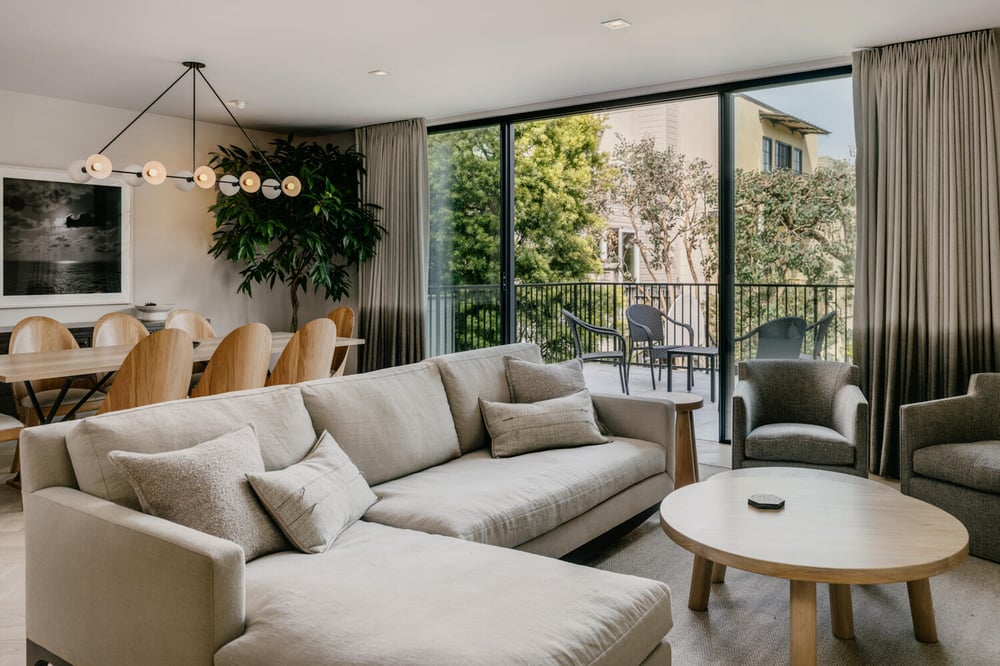
Reason #1: Moving Comes With More Tradeoffs Than It Appears
Moving looks simple on paper. In practice, it means navigating taxes, fees, financing, and the challenge of finding a home that checks every box. More often than not, something gets compromised.
Staying in place and adding on gives you more control. You already know the property, the neighborhood, and what works. An addition builds on that foundation rather than abandoning it.
Reason #2: Great Neighborhoods Are Hard to Replace
Pacific Heights, Sea Cliff, Noe Valley — these neighborhoods offer more than a zip code. They provide walkability, proximity to work and schools, and a sense of belonging that takes years to build.
When those elements are already in place, expanding your home is simply the smarter way to stay connected to what matters most.
Reason #3: The Right Home Is Getting Harder to Find
At the higher end of the market, compromise is common. The layout doesn't quite work. The condition falls short. The location is close — but not right. Searching long enough, many buyers realize the home they want doesn't exist yet.
A custom addition changes that equation. Instead of adapting your life to a new home, the home is adapted to you.
Reason #4: Life Changes — Your Home Should Too
The way people live evolves, and homes need to keep pace. Growing families need more room. Remote work has made a dedicated home office essential. More homeowners are thinking ahead to aging in place, or wanting space that genuinely accommodates the people they love to gather.
A well-designed addition makes those changes feel natural — not like an afterthought, but like the home was always meant to grow this way.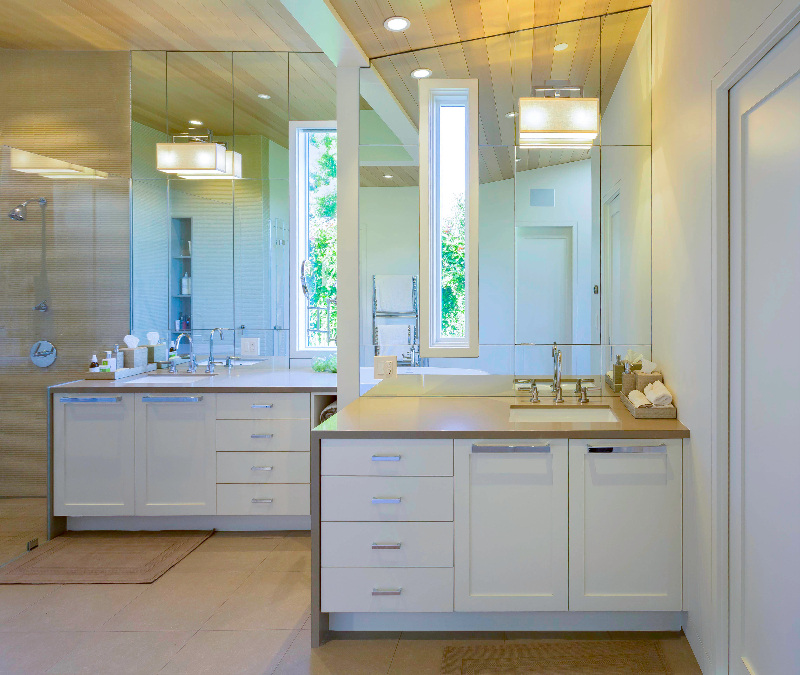
Reason #5: Customization Starts With the Right Plan
A successful addition begins long before construction. Working with an architect and builder early in the process helps define the vision, align on budget, and avoid costly changes later.
This early planning phase creates clarity. It allows decisions to be made thoughtfully, rather than reactively.
Reason #6: Long-Term Value Still Matters
Even when the main goal is improving daily life, homeowners still think about the future.
Additions that are well-designed and properly integrated into the home tend to hold their value. In strong neighborhoods, they can also increase overall property value.
This is where stewardship comes into play, making decisions that support both current use and long-term outcomes.
Reason #7: A Clear Process Makes a Big Difference
Home additions involve many moving parts. Without structure, the process can quickly become overwhelming. Homeowners value a team that brings organization, communication, and consistency to the project.
With the right approach, each phase, from planning to construction, feels more predictable. That clarity allows homeowners to stay confident in their decisions.
Reason #8: Many Homeowners Are Thinking Long-Term
For many clients, this is not a short-term upgrade. They are planning for how they want to live five, ten, or twenty years from now. That might include space for extended family, flexible rooms, or layouts that support changing needs over time.
A custom home addition creates the opportunity to plan ahead, rather than react later.
Reason #9: The Process Requires the Right Team
Building an addition in San Francisco comes with unique challenges. Permitting, structural considerations, and site constraints all require careful coordination.
With an experienced team in place, these challenges are addressed early and managed throughout the project. That preparation helps avoid unnecessary delays and keeps the project moving forward.
Reason #10: Quality Matters at Every Step
The success of an addition comes down to how well it is executed.
Details matter, from how the new space connects to the existing home, to the materials used, to the final finishes.
Homeowners who invest in custom home additions are looking for a result that feels cohesive, durable, and aligned with the character of their home.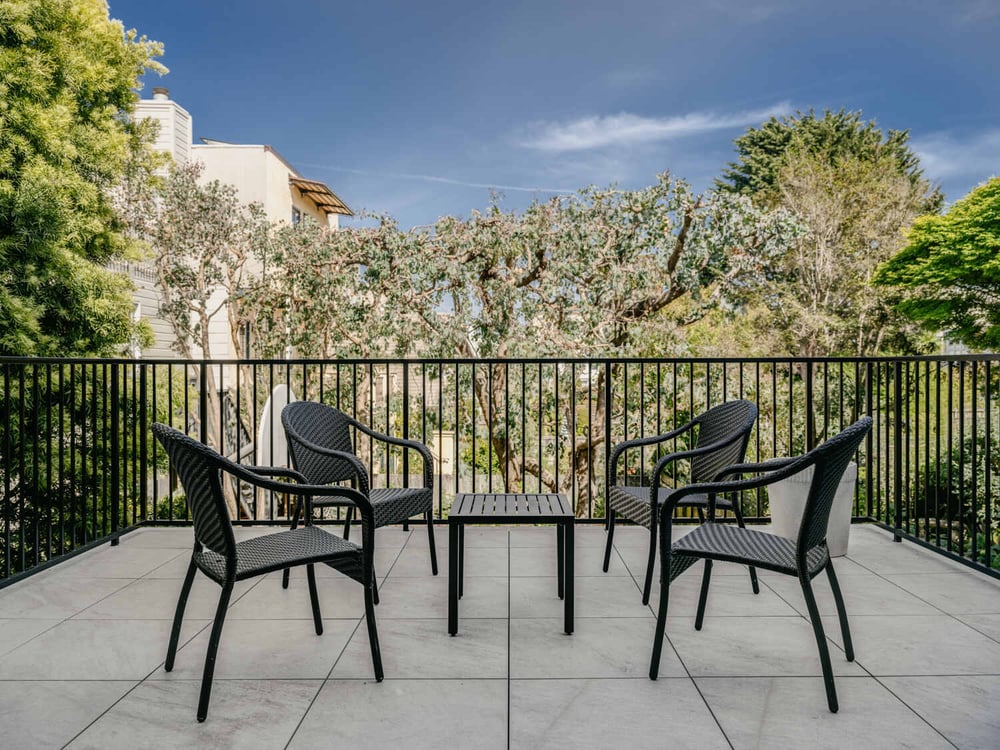
Frequently Asked Questions
How long do home additions take?
Our custom home addition projects typically take 1-2 years from construction planning to completion, depending on complexity and permitting. The full process includes:
- Pre-construction and design: 4-12+ months to select an architect, assemble the team, design, and align on budget and scope. This stage is where the process is truly defined.
- San Francisco Permitting: 3-9+ months for city review and approvals, with potential revisions and resubmissions. Permitting timelines are often the biggest variable in your project.
- Construction: 8-16+ months for site prep and structural work, framing and systems, and interior finishes and detailing. Structural complexity, access constraints, and level of customization are the biggest factors in this stage.
How much do custom home additions cost?
Costs typically range from $800 to $1,200 per square foot, depending on:
- The design and structural requirements
- Site conditions and accessibility
- Permitting and regulatory factors
- The level of customization and materials selected
Clear planning and early alignment are key to keeping costs predictable.
What home additions add the most value?
Additions that improve how the home functions tend to provide the most value:
- Expanding living areas and improving flow
- Adding a primary suite
- Creating indoor-outdoor connections
- Adding square footage where it is most needed
- Building flexible spaces like offices or guest rooms
Thoughtful design is what makes these additions successful over time.
Do I need an architect before starting a home addition?
In most cases, yes. An architect helps define the design and ensures the addition fits the home. A builder can then guide cost, feasibility, and construction.
Working together, the team creates a clear and coordinated plan.
How do home additions impact my property taxes?
In California, your existing home usually keeps its original tax base.
Only the new portion of the home is reassessed. This typically results in a smaller increase compared to purchasing a new home at the current market value.
Planning a Custom Home Addition in San Francisco?
A custom home addition is a meaningful investment, one that benefits from clear guidance, careful planning, and the right team from the start. At S. A. Baxter, we approach each project as a steward and advocate, helping homeowners make informed decisions that support both their immediate goals and long-term vision.
If you’re planning a custom home addition in San Francisco or Marin County, we invite you to start a conversation. See our work or connect with our team to explore what’s possible for your home.