4 Min Read
Homeowners in San Francisco often ask a version of the same question: how much does a larger home remodel actually cost? It is a fair question, and also a complicated one. In a city with aging housing stock, strict regulations, high labor costs, and a wide range of architectural styles, remodeling costs can vary significantly from one project to the next.
 This article is intended to provide realistic context for homeowners considering a larger home remodel in San Francisco. Rather than offering a single number, it explains the cost ranges, variables, and decisions that most directly influence the final investment.
Here are the topics we will cover in this guide:
- What Qualifies as a Larger Home Remodel
- Typical Cost Ranges for Larger Remodels in San Francisco
- The Biggest Factors That Influence Cost
- Approximate Cost per Square Foot (And Why This is Often Misleading)
- How Design and Planning Affect Overall Budget
- Frequently Asked Questions
What Qualifies as a Larger Home Remodel
A larger home remodel typically goes beyond a single room renovation. These projects often include multiple spaces, structural changes, or system upgrades, and they usually require a higher level of planning and coordination.
In San Francisco, a larger home remodel may include a whole home renovation, a significant addition, or a combination of interior remodeling with structural or seismic upgrades. These projects often involve kitchens, bathrooms, living spaces, and bedrooms, along with electrical, plumbing, and mechanical updates.
Because of the scale and complexity, larger home remodels are closer in scope to construction projects than cosmetic updates.
Typical Cost Ranges for Larger Remodels in San Francisco
While every project is different, larger home remodels in San Francisco generally fall into broad investment ranges.
For many homeowners, a comprehensive home remodel in San Francisco starts around $1.5 million and can extend well beyond $5 million. Projects that include additions, extensive structural work, or high levels of customization often land at the higher end of that range.
These numbers reflect current labor costs, material pricing, permitting requirements, and the realities of building in dense urban neighborhoods. They also assume a professionally designed and managed project, rather than piecemeal construction.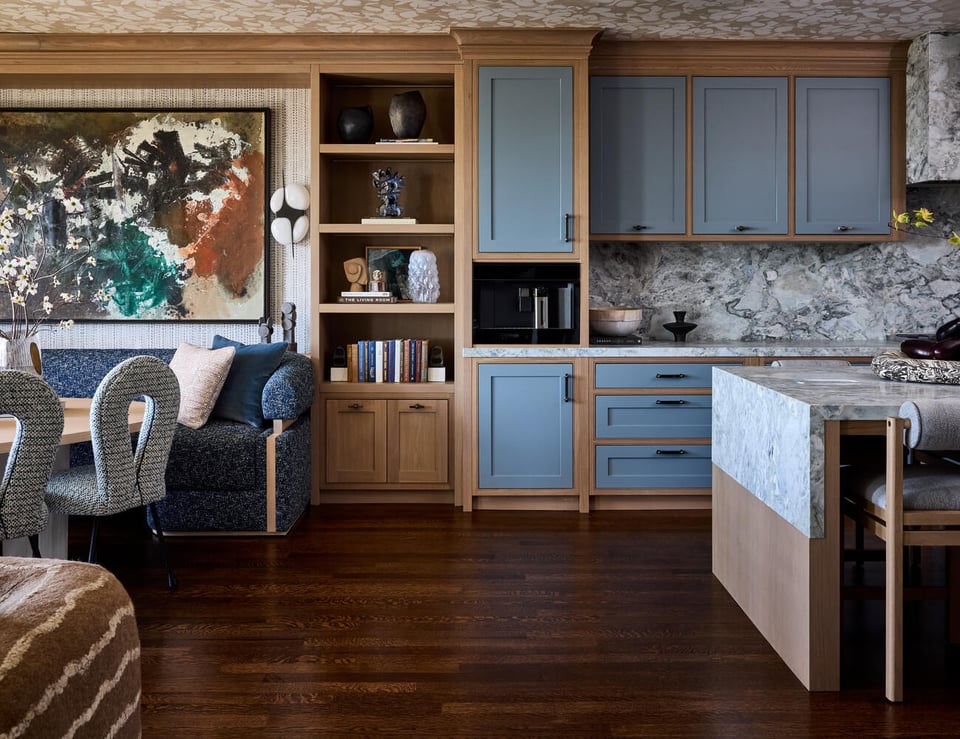
The Biggest Factors That Influence Cost
Several variables have an outsized impact on the cost of a home remodel in San Francisco.
The condition of the existing home is often one of the largest factors. Older homes frequently conceal outdated wiring, plumbing, or structural issues that must be addressed once walls are opened.
Design complexity also plays a major role. Custom layouts, structural reconfiguration, and unique architectural details increase both construction time and coordination requirements.
Access and logistics matter as well. Tight sites, limited staging space, and neighborhood restrictions can significantly affect labor efficiency and scheduling.
Finally, decision-making during construction influences cost. Projects with well-developed plans tend to stay closer to initial budgets than those where major decisions are deferred.
Approximate Cost Per Square Foot (and Why This Is Often Misleading)
Homeowners researching a larger home remodel in San Francisco often ask for a cost per square foot figure. While this can provide a rough starting point, it is important to understand both what these numbers can tell you and what they leave out.
For larger home remodels in San Francisco, approximate costs often fall somewhere between $800 and $1,500 per square foot. Projects with extensive structural work, high-end customization, complex sites, or major system upgrades can exceed that range.
The reason this metric is often misleading is that cost per square foot averages very different types of work together. Kitchens, bathrooms, structural modifications, and mechanical upgrades carry far more cost than secondary spaces like bedrooms or hallways. Two homes with identical square footage can have dramatically different budgets based on where the work is concentrated.
In addition, cost per square foot does not account for site access, permitting complexity, or the condition of the existing structure. In San Francisco home remodels, these factors frequently have a greater impact on cost than size alone.
For these reasons, cost per square foot is best viewed as a broad reference point, not a budgeting tool. A detailed scope and early planning provide far more reliable guidance than any single average.
How Design and Planning Affect Overall Budget
Early design and planning have a direct impact on remodeling costs. A clear scope, coordinated drawings, and realistic expectations help prevent costly changes later.
In San Francisco, projects that involve architects and experienced builders early in the process tend to achieve better budget control. This approach allows the team to evaluate feasibility, identify risks, and align design intent with financial parameters.
Planning also includes understanding permitting timelines and neighborhood requirements, which can affect both schedule and cost.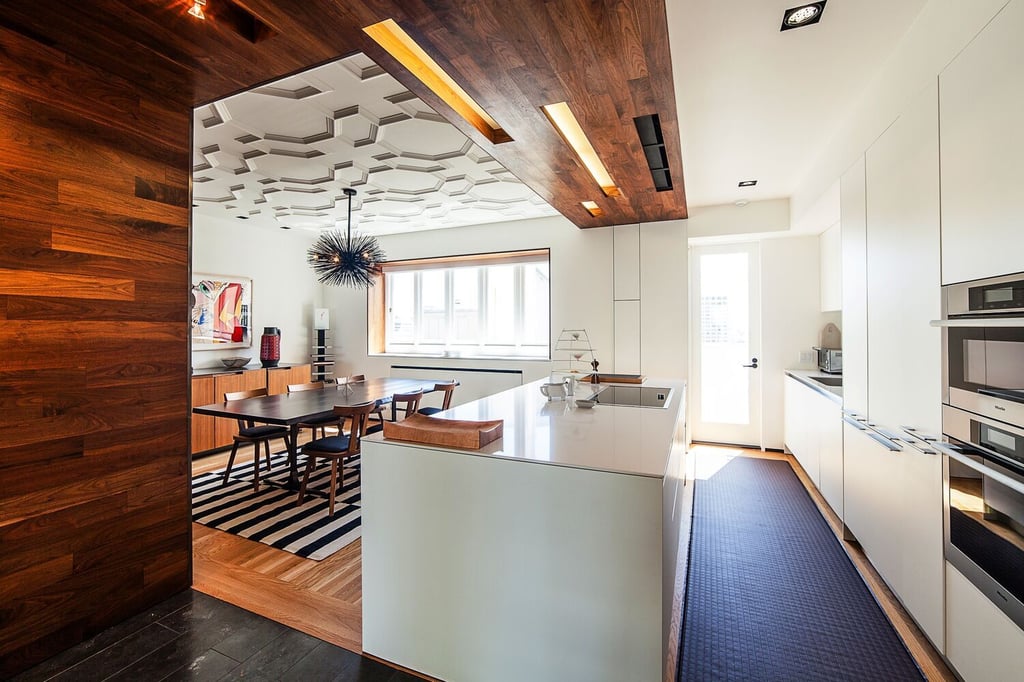
Frequently Asked Questions
How long does a larger home remodel take in San Francisco?
Most larger home remodels take between twelve and twenty-four months from the start of construction. The timeline depends on permitting, scope, and complexity. Projects with additions or structural changes often require longer schedules. Pre-construction planning can also take several months before work begins.
Is remodeling more expensive than building new in San Francisco?
In some cases, remodeling can be comparable in cost to new construction, especially for extensive projects. Remodeling often involves working within existing constraints, which can add complexity. However, many homeowners choose to remodel to preserve location, character, or neighborhood ties. The right choice depends on goals, site conditions, and long-term plans.
Can costs be controlled once construction starts?
Costs are easiest to control before construction begins. Once work is underway, changes often have ripple effects that increase cost. Clear plans, early decisions, and realistic allowances help reduce surprises. Ongoing communication during construction also plays an important role. That being said, our emphasis on stewardship means we are always eager to help you find the best possible value when changes do arise
Do San Francisco regulations affect remodeling costs?
Yes, local regulations have a significant impact. Permitting requirements, building codes, and seismic standards all influence scope and cost. Navigating these requirements requires experience and careful planning. These factors are part of what makes San Francisco remodeling unique.
Closing Thoughts
A larger home remodel in San Francisco is a significant investment that benefits from clear expectations and informed decisions. Understanding the factors that drive cost is the first step toward a successful project.
If you are considering a larger home remodel and would like to talk through your goals, the next step is often a conversation. Request a consultation to discuss scope, timing, and feasibility.